A More Useful Way to Approach Habit Building
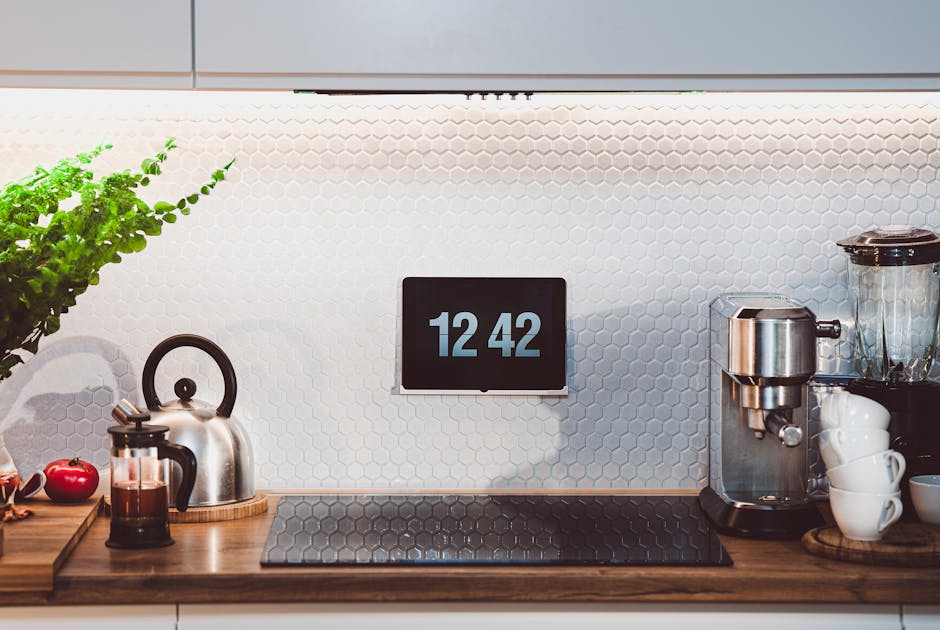
On a typical weekday morning, the kitchen counter becomes a staging area for the day’s essentials: my bag, keys, and notebook piled together in a haphazard arrangement. As I prepare to leave, I reach for my notebook, only to be interrupted by a phone notification lighting up the screen. It’s a reminder about an upcoming meeting, but instead of helping me focus, it pulls my attention away from the daily reset I had planned. The alarm I set across the room feels more like a distant echo than a prompt to get moving. I glance at the cluttered counter, realizing that the umbrella I meant to move to the door is still leaning against the wall, a small but significant detail that could derail my entire morning routine.
This moment of distraction highlights how easily the flow of a morning can be disrupted. The notification, while seemingly innocuous, shifts my focus from the physical organization of my space to the digital chaos of my phone. I fumble to silence the alert, but in doing so, I lose track of the small habit of checking my bag for essentials. The setup relies too much on motivation and intention rather than a structured system. Without placing the umbrella by the door or ensuring the notebook is ready to grab, I risk leaving home unprepared, which can lead to a cascading effect on my digital organization throughout the day.
The Morning Reset Routine in Motion
The kitchen counter is a jumble of yesterday's mail, a half-empty coffee cup, and my bag, which sits open, revealing a tangle of chargers and notebooks. As I stand there, I start the morning reset by placing my keys in a designated bowl right next to the door. This small act, though simple, creates a clear spot for them, reducing the chance of a last-minute scramble. I glance at the clock, noting that I have just twenty minutes before I need to leave.
Next, I pull out my notebook and flip it open to the current week’s page. This is where I jot down tasks and reminders, a ritual that keeps my digital life organized. However, I realize that I haven't checked my phone for notifications yet. I hesitate, knowing that it could easily sidetrack me. Instead, I focus on the essentials: I double-check that I have my laptop charger and my umbrella, which I had intended to move to the door last night but forgot. This is a critical step; if I leave without the umbrella on a rainy day, my plans for the day could quickly unravel.
As I reset my bag, I make a mental note to ensure that the umbrella is always in a visible spot by the door. This way, I can grab it without thinking, reinforcing a habit that supports my overall organization. I can feel the pressure of time, but the act of resetting my space feels grounding. Yet, just as I finish packing, my phone buzzes with a notification, pulling my attention away from the physical organization. I silence it quickly, but the momentary distraction reminds me how fragile this routine can be. The friction of digital interruptions is a constant threat to maintaining my morning flow, and it’s clear that without a solid structure, my efforts can easily slip away. When the Phone Notification Interrupts On a typical weekday morning, I stand at my kitchen counter, surrounded by the clutter of my daily reset. My bag is half-packed, keys are scattered, and my notebook lies open, waiting for the day’s to-do list. I glance at my phone, which is resting just out of reach, and mentally note that I need to silence it before I get too deep into my routine. The phone’s presence feels like a ticking clock, a reminder of the outside world waiting for my attention.
As I grab my bag to check off the last few items, a notification chimes, slicing through my focus. I instinctively reach for the phone, and in that moment, my organization slips. Instead of ensuring my umbrella is moved to the door—a small but essential detail—I find myself scrolling through messages, losing precious minutes. The immediate consequence is clear: I’m left scrambling, and my carefully planned morning routine feels like it’s unraveling. This interruption not only delays my departure but also shifts my mindset from one of preparation to reaction. I realize that without a firm boundary around my digital distractions, the friction in my morning routine will continue to derail my efforts to stay organized.
Why Motivation Fails in Ordinary Life
On a typical weekday morning, the kitchen counter becomes a chaotic hub of activity as I prepare to leave for the day. My bag sits open with my notebook and keys strewn about, but the umbrella remains stubbornly by the door, forgotten yet crucial. This moment highlights how motivation alone cannot sustain an organized routine; without a structured approach, small yet vital tasks slip through the cracks. The phone, resting nearby, becomes a source of distraction, with notifications buzzing like a persistent reminder of the outside world.
- Set the alarm across the room to force myself to get up and start my routine.
- Place the umbrella by the door the night before to ensure it’s always ready to grab.
- Silence my phone before I start my morning reset to avoid interruptions.
As I reach for my bag to check off the last few items, a notification pings, pulling my attention away from the task at hand. Instead of moving the umbrella, I find myself scrolling through messages, losing track of time. This seemingly small distraction leads to a cascade of consequences: my focus shifts from preparing for the day to reacting to digital noise, and my good intentions are overshadowed by a lack of a solid system. Without a clear boundary around digital distractions, the friction in my morning routine only deepens, making it harder to maintain consistency.
This same friction shows up again in Daily Routines Real Life, especially when the day tightens unexpectedly.
A Simple Adjustment to the Sequence
Late-start weekday mornings often reveal friction points that can derail even the best intentions. As I stand at my kitchen counter, resetting my bag, keys, and notebook, I realize that the alarm clock is still on my bedside table, making it far too easy to hit snooze. Placing the alarm across the room forces me to physically get out of bed. This small change prompts movement, which is crucial for kicking off my morning routine. It’s a simple yet effective way to establish a boundary between sleep and the tasks ahead.
Another adjustment involves the umbrella, which I often forget to move from the living room to the door. Each morning, I find myself rushing out, only to remember it’s still sitting on the couch. To avoid this, I now place the umbrella by the door the night before, ensuring it’s ready to grab on my way out. This small habit not only saves time but also reduces the mental load of remembering to grab it. However, when my phone buzzes with notifications during this reset, it can easily pull my focus away from these small but impactful tasks. The friction of digital distractions interrupts my flow, making it harder to maintain the consistency I strive for in my morning routine.
What Gets Easier in the Next Time Block
If this pattern keeps repeating, Everyday Life In The extends the idea without leaving the niche.
Setting my alarm across the room has become a crucial part of my morning routine. This simple adjustment forces me to physically get out of bed, which helps me shake off the lingering sleepiness. While I’m still groggy, I shuffle to the kitchen counter where I keep my bag, keys, and notebook. This is where I reset for the day, but it’s often a chaotic moment. The phone buzzes with notifications, and I can feel my focus slipping as I glance at the screen. I tell myself it’s just a quick check, but it often leads to a longer distraction.
To counteract this, I’ve started placing my notebook right next to my keys on the counter. This way, when I reach for my keys, I’m also reminded to jot down any immediate thoughts or tasks for the day. It’s a small habit that keeps my mind organized as I prepare to leave. However, even with this setup, I still find myself forgetting to move the umbrella to the door. It’s a simple task that can save me time later, but it often slips my mind in the rush of the morning.
As I gather my things, I realize that if I can just focus on these small adjustments, the next time block feels smoother. I can step out the door knowing I’ve set up my day with minimal friction. Yet, the challenge remains: how to maintain that focus without letting digital distractions derail my efforts. The routine is there, but the execution is still a work in progress.
As I stand at the kitchen counter, the phone buzzes again with another notification, pulling my attention away from the daily reset I’m trying to establish. It’s a familiar pattern: I reach for my bag, keys, and notebook, but the digital distractions often derail my focus. I’ve learned that placing my notebook right next to my keys helps, yet I still overlook moving the umbrella to the door. This small task could save me a few minutes later, but in the chaos of a late-start morning, it often slips my mind.
To combat this, I’m making it a point to check the counter before I leave. If I can just remember to place the umbrella in a visible spot, I can streamline my exit. The friction of forgetting these small details adds up, and it’s clear that even minor adjustments can create a smoother routine. The question remains: what part of organizing digital life usually slips first on a crowded day? Perhaps it’s time to prioritize these small checks to keep my weekday routine on track.