The First Step That Gets Skipped in Your Digital Routine
On a typical weekday morning, the kitchen counter is cluttered with the remnants of a rushed routine. The lunch container sits abandoned in the sink, a reminder of yesterday’s hurried packing, while the keys and notebook lie scattered near the door, waiting for their turn to be picked up. As the clock ticks closer to the start of the workday, the familiar tension builds. The moment the work clothes are left on longer than intended, the entire morning routine begins to unravel. Each minute lost feels like a small victory for chaos over order, and the digital organization system starts to slip from view.
Checking the weather app becomes an afterthought, overshadowed by the need to grab a jacket and rush out the door. This small oversight can trigger a ripple effect throughout the day. Without that crucial check, the carefully planned digital calendar starts to lose its grip on reality. Meetings may be missed, and reminders ignored, all because the simple act of checking the weather was skipped in the morning rush. As the day unfolds, the disarray at the start echoes through the digital landscape, making it harder to regain control.
A Morning Disruption at the Doorstep
As the sun peeks through the kitchen window, the kitchen counter becomes a flurry of activity. The protagonist stands there, packing their bag with a notebook, keys, and a lunch container that still sits in the sink from yesterday. The familiar morning routine is in full swing, but the clock on the wall ticks louder than usual. Suddenly, a glance at the time reveals they are running late, and the usual rhythm of the morning begins to falter.
In a rush, the protagonist skips the essential step of checking the weather app on their phone. Instead, they hastily grab a jacket from the back of a chair, hoping it will suffice. This small mistake leads to a cascade of disruptions; without knowing the forecast, they might end up unprepared for the day ahead. The carefully organized digital calendar, filled with reminders and tasks, suddenly feels out of reach, as the morning’s chaos threatens to spill into the rest of the day. The bag is packed, but the sense of order is already slipping away, leaving a lingering question: how to regain control after a disrupted start?
The Forgotten Weather Check
The kitchen counter is cluttered with remnants of yesterday's lunch, and the clock is ticking louder than ever. As the protagonist rushes to pack their bag for the day, they grab their notebook and keys, but the crucial step of checking the weather app on their phone slips their mind. Instead, they hastily pull a sweater from a pile on the chair, thinking it will suffice for the day ahead.
This small oversight quickly leads to discomfort. Stepping outside, they realize the sun is shining brightly, and the sweater is far too warm for the unexpectedly hot day. Their carefully organized digital calendar, filled with tasks and reminders, feels more like a distant memory as they struggle to maintain focus. The morning's chaos has already cast a shadow over their weekday routine, and the discomfort is a constant reminder of the missed weather check. A simple adjustment, like moving the weather check to the night before, could have prevented this disruption, ensuring a smoother start to the day.
How One Mistake Changes the Day
As the morning sun streams through the kitchen window, the protagonist stands at the counter, surrounded by a jumble of keys, a half-packed bag, and a notebook. In the rush to leave, they forget to check the weather app on their phone, a crucial step that usually anchors their morning routine. Instead, they grab a light jacket from the back of the chair, assuming it will be adequate. This small choice, made in haste, leads to immediate discomfort when they step outside into the unexpected warmth.
The impact of this oversight ripples throughout the day. Distracted by the heat, they struggle to focus on their tasks, and their organized digital workspace quickly becomes cluttered with unanswered emails and reminders. The discomfort of wearing the wrong clothing becomes a constant distraction, pulling their attention away from the important messages that need responses. As the day progresses, they realize that the simple act of checking the weather the night before could have set a more effective tone for their entire weekday routine, allowing them to engage fully with their digital tasks instead of battling the consequences of a rushed morning.
A Simple Repair to Regain Control
This same friction shows up again in Everyday Life In The, especially when the day tightens unexpectedly.
As the morning light spills into the kitchen, the cluttered counter reveals remnants of yesterday's rush: a lunch container still soaking in the sink and a jacket tossed haphazardly over a chair. The protagonist realizes that a small mistake—failing to check the weather last night—has thrown their entire digital organization off balance. When they step outside, they feel the discomfort of wearing the wrong clothes, which quickly distracts them from the tasks awaiting in their digital workspace.
Determined to prevent this chaos from recurring, they decide to integrate a weather check into their evening routine. Before settling down for the night, they pull out their phone and set a daily reminder for 8 PM to check the forecast. This simple adjustment ensures that they will choose appropriate clothing before heading to bed, allowing for a smoother morning. By placing the phone on the kitchen counter, they create a visual cue that reinforces this new habit. This small change could mean the difference between a focused day and one filled with distractions, as they reclaim control over their weekday routine.
Recognizing the Pattern of Distraction
A slightly different version of this problem appears in Daily Routines Real Life, where the sequence changes but the hidden drag feels familiar.
As the protagonist stands at the kitchen counter, packing their bag for the day, they realize how often morning distractions spiral into a chaotic digital routine. The lunch container sits abandoned in the sink, a reminder of how small oversights can snowball. Today, they forgot to check the weather, leading to a hasty choice of clothing that feels uncomfortable the moment they step outside. This discomfort pulls their attention away from their digital tasks, making it clear that the morning routine is more than just a series of actions; it’s a critical foundation for a focused day.
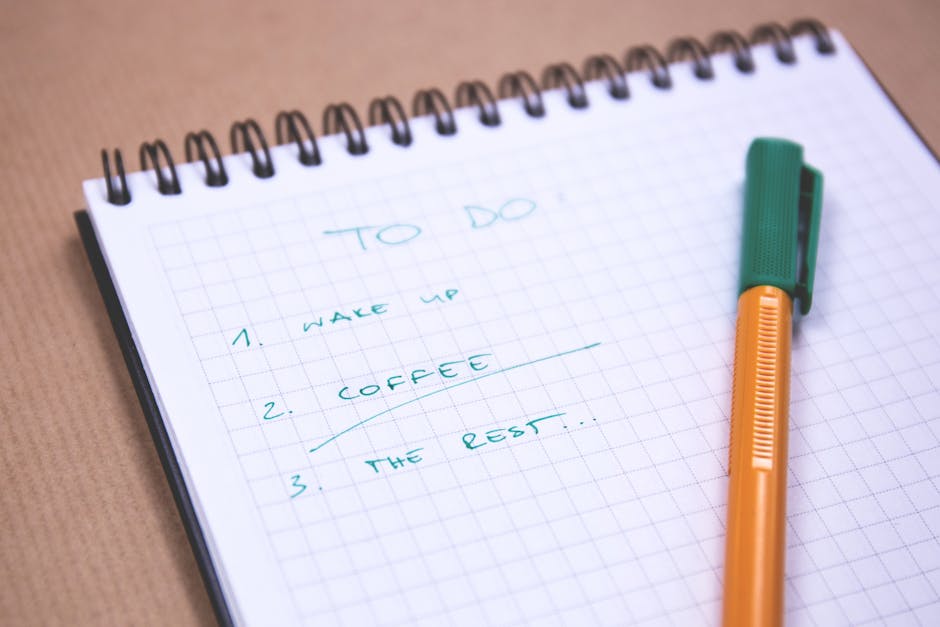
Reflecting on this, they consider implementing a simple checklist for the evening, which could streamline their morning preparation. By laying out work clothes and checking the weather before bed, they could avoid the scramble that disrupts their flow. They envision a notepad on the kitchen counter, where they jot down essential items to pack, including the laptop charger and notebook. This small act of writing things down could serve as a mental reset, ensuring nothing important slips through the cracks. The evening checklist becomes a tangible tool, reinforcing the structure needed to maintain a smooth weekday routine.
However, the challenge remains: will this checklist stick? The protagonist knows that consistency is key, and placing the notepad in a visible spot serves as a reminder to engage with it nightly. As they finish packing, they can’t help but think that this small adjustment might just be the anchor they need to keep their digital life organized amidst the everyday chaos.
As the morning routine slips into chaos, the impact of a small oversight becomes painfully clear. The lunch container, still resting in the sink, serves as a reminder of how easily distractions can derail even the best-laid plans. Without a quick check of the weather the night before, the choice of clothing becomes a gamble, leading to wasted time and frustration in the morning. This small mistake ripples through the day, affecting not just the outfit but the entire digital organization routine that hinges on a smooth start.
To counter this, placing a weather app shortcut on the home screen can streamline the morning check-in process. By integrating this simple action into the evening routine, it transforms into a habit that reinforces the structure needed for a successful weekday. A quick glance at the forecast can dictate not just clothing choices but also the digital files needed for the day. The next step is clear: take a moment tonight to set out clothes and check the weather, ensuring tomorrow begins with a solid foundation.


