The Small Change That Resets Your Digital Routine After a Messy Weekday

As the clock inches toward 6 PM, the hallway drop zone becomes a chaotic reminder of the day’s demands. A half-opened laptop sits on the small table, its screen dimmed, while the planner remains closed beside it, untouched since the morning. Dirty dishes pile up in the sink, creating a barrier that makes the counter feel even more cluttered. This familiar scene plays out too often, where the weekday routine breaks down as soon as the day starts late. The evening feels like an uphill battle, with the digital life waiting to be organized but overshadowed by the mess of the day.
In this moment, it’s easy to overlook the small actions that could shift the tide. The alarm, set across the room, buzzes insistently, a call to action that often gets ignored. Without a quick check of the planner or a moment to reset the space, the evening routine drifts into disarray. The simple act of checking off a task or moving a few items to clear the counter can feel monumental, yet these missed steps contribute to a cycle of chaos. Finding a way to integrate these small habits into the end of the day could make the digital organization feel less daunting and more manageable.
When the Day Starts Late: A Common Slip
The alarm clock blares from across the room, a persistent reminder of the time slipping away. It’s all too easy to hit snooze, especially when the cozy warmth of the bed feels like a blanket of denial against the day’s demands. As the minutes pass, the hallway drop zone becomes a chaotic reminder of the morning rush: a tangle of shoes, bags, and jackets sprawled across the floor. Finding the essentials—like the laptop bag or the keys—turns into a scavenger hunt, further delaying the already late start.
With the clock ticking, the planner remains closed on the table, untouched and unreviewed. This small oversight compounds the disarray, as the evening routine looms larger with each passing minute. The cluttered counter, now barely visible beneath the stack of dirty dishes, feels like an insurmountable barrier. A quick check of the planner could clarify the evening tasks, but the mess distracts from that necessary reset.
As I finally grab my shoes, the thought of clearing a space at the counter crosses my mind. Just moving a few items to create a small workspace could make a difference. But without that initial action, the digital organization waits in the wings, overshadowed by the chaos of the day. The cycle continues, each late start feeding into the next, leaving the evening routine feeling like a tangled web of unfinished tasks and unfulfilled intentions.
The First Friction Point: Dirty Dishes and Digital Distraction
At the end of a long weekday, the kitchen counter resembles a battlefield, littered with a fortress of dirty dishes that blocks the path to the laptop. The laptop, usually a beacon of organization, now feels distant, its screen dimmed and notifications piling up as if to mock the chaos. The clock on the wall ticks insistently, and I can almost hear the ping of incoming messages demanding attention. Each notification pulls my focus away from the evening routine I had planned, creating a mental tug-of-war between the digital tasks and the physical mess.
As I stand in the hallway, shoes in hand, the thought of checking my planner crosses my mind, but the clutter keeps me rooted in indecision. I know I should clear a small space on the counter to set down my planner, but the dirty dishes loom large, a barrier to starting my evening reset. Skipping that quick check of what needs to be done tonight means I’m left scrambling for direction, overwhelmed by the digital distractions flooding my phone. The cycle of chaos continues; without that initial action of tidying up, the evening slips further into disorder, leaving me wondering how to regain control over my digital life.
Understanding the Breakdown: Why Routines Slip
The moment I step into the hallway, the chaos of the day rushes back. Shoes are scattered, and the lingering scent of dinner hangs in the air, but it’s the pile of dirty dishes that really catches my eye. They block the counter, which I know should be my first stop to check my planner. A late start today meant I skipped my usual reset, and now I’m faced with a choice: tackle the mess or rush through my evening tasks without direction.
- Physical clutter, like the dirty dishes, creates a mental block, making it harder to focus on what I need to do next.
- Rushing past the planner on the table means I miss the chance to organize my digital tasks for the evening.
- Good intentions to reset my routine fall flat when I overlook the simple act of clearing a space to breathe.
As I glance at the clock, I realize I have just a few minutes before I need to leave the house again. Instead of diving into the digital chaos of my phone, I need to prioritize a quick check of my planner—if I can carve out even a small moment to open it, I might regain some control. But without clearing the counter, that simple action feels like yet another hurdle, and the cycle of disarray continues.
One Simple Adjustment: The Planner Check
If this pattern keeps repeating, Everyday Life In The extends the idea without leaving the niche.
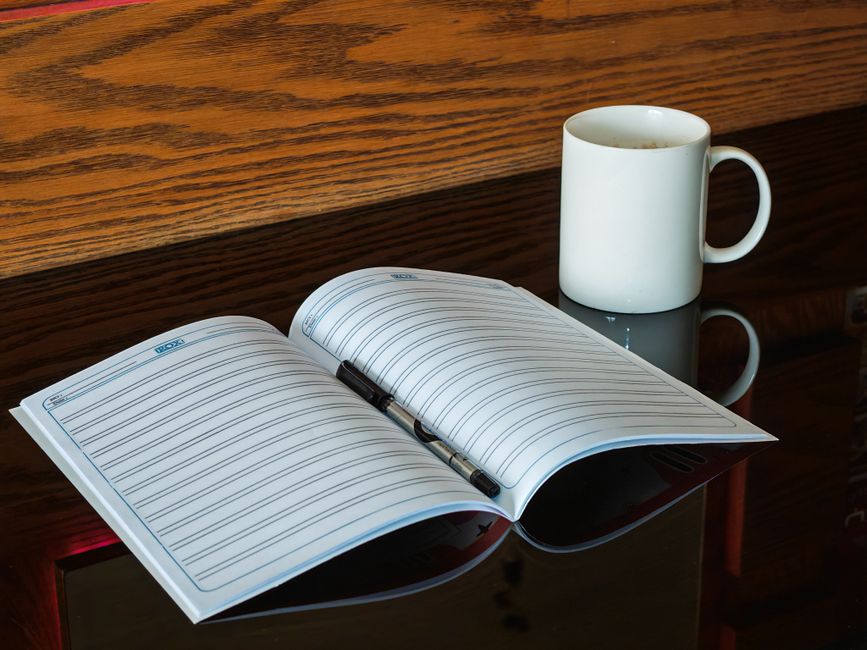
Before stepping out of the apartment, I often find myself glancing at the closed planner on the table. It’s a small object, but it holds the potential to transform my evening routine. When I skip the planner, I miss the chance to visualize my tasks and the chaos of the day spills over into my evening. This time, I decide to take a moment to open it, flipping through the pages to see what I had planned for tonight. Just that act of opening the planner creates a small mental shift, allowing me to focus on what still needs to be done.
To build consistency, I set a reminder on my phone to check the planner at the same time each evening. It’s a simple adjustment, but it helps create a habit. I place the phone near the hallway drop zone, making it harder to ignore. This way, when I grab my keys, I also grab the opportunity to check my planner, ensuring I don’t leave the house without a clear idea of my tasks. This small sequence change—checking the planner before heading out—can make a significant difference. It’s a way to reset my mindset, even if the physical space remains cluttered. But without that planner check, I risk entering the evening without direction, caught in the same cycle of disarray.
Carrying Forward: The Impact on Tomorrow's Routine
This same friction shows up again in Daily Routines Real Life, especially when the day tightens unexpectedly.
As I prepare to leave for the evening, the planner sits unopened on the table, a reminder of the tasks I’ve yet to prioritize. It’s easy to overlook it in the rush of packing my bag, but that single moment of checking it can set the tone for tomorrow. If I take just a minute to open the planner and review what I need to accomplish, I can avoid the digital distractions that often creep in during my morning routine.
By making this small habit a part of my evening, I create a clearer plan for the next day. The act of checking the planner helps me visualize my tasks, ensuring I’m not overwhelmed by notifications or emails first thing in the morning. Instead, I can focus on what truly matters. I place my phone near the planner, setting a reminder to check it before I leave the house. This way, I can’t miss the opportunity to align my digital life with my physical tasks.
However, the friction remains. The dirty dishes piled in the sink often make the counter feel chaotic, which can lead to a hasty exit without that crucial planner check. I realize that if I take a moment to clear a small space, even just a few dishes, I can create a more inviting environment to pause and plan. This adjustment not only keeps my digital distractions at bay but also fosters a more organized start to my day. Tomorrow’s routine hinges on today’s small decisions, and that’s where I find the real impact of my evening reset.
As the day winds down, the clutter from a busy weekday often spills into the evening routine, making it easy to overlook the small checks that keep everything in sync. The planner on the table remains closed, a silent reminder of the tasks ahead. If I can just take a moment to open it and jot down a few notes, I can align my digital reminders with my physical space. This simple act can transform the chaotic drop zone in the hallway into a more organized launchpad for tomorrow.
Before heading to bed, I find it helpful to set my alarm across the room, forcing me to get up and face the day ahead. This small adjustment not only ensures I check the planner but also encourages me to tidy up the counter, making it a more inviting space for my morning routine. Each evening reset becomes a crucial step in maintaining the structure within my digital life, proving that even the smallest changes can lead to a more manageable weekday.