Why Daily Resets Fail: A Closer Look at Organizing Digital Life

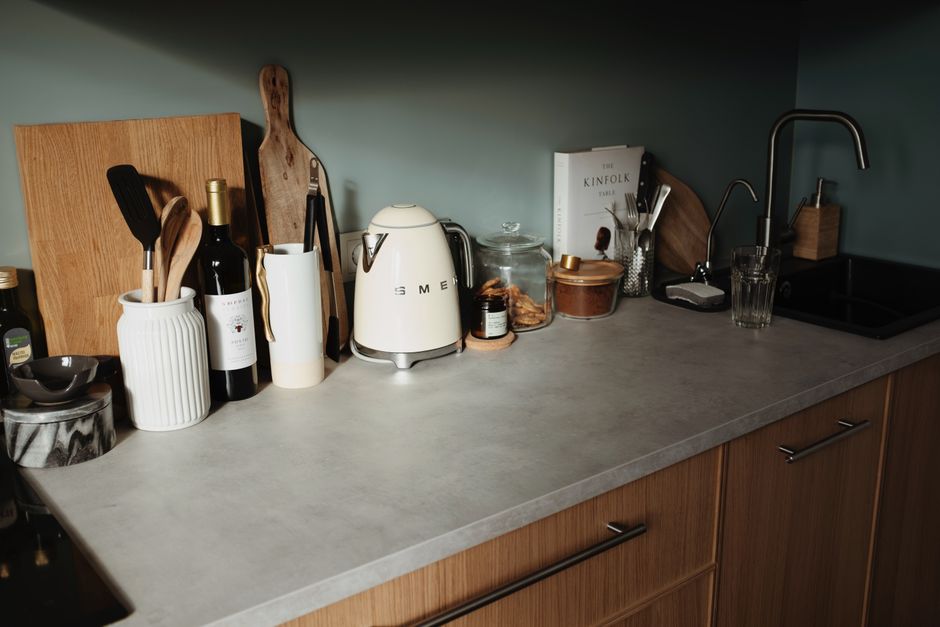
It's 7:15 AM on a Tuesday, and the alarm blares from the bedside table, a reminder of the late finish from the night before. As a remote worker, the morning routine should be a time for reset, yet the dirty dishes piled in the sink loom large, making the kitchen counter feel cluttered and uninviting. The planner lies closed, untouched since last night, while the laptop screen remains dark, waiting for the day to begin. Each moment spent navigating the chaos of the kitchen adds to the delay, pulling focus away from the digital organization that needs to happen before diving into work.
In this chaotic start, the first step often gets overlooked: checking the planner for the day's tasks. Without this check, the digital to-do list feels disconnected from reality, leading to missed deadlines and scattered thoughts. The simple act of moving the planner to the kitchen counter could serve as a visual cue, anchoring the digital reset in physical space. Yet, as the clock ticks, the urgency to clear the sink takes precedence, causing the routine to unravel before it even begins. This friction, a combination of physical clutter and missed checks, sets the stage for a day that feels disorganized from the outset.
The Morning Routine That Should Work
Setting the alarm across the room is a common strategy for remote workers aiming to jumpstart their mornings. This simple action forces getting out of bed, ideally leading to a more energized start. However, when the alarm goes off, the temptation to hit snooze often wins out, and the day begins with a delay. The planner, which should be opened while still in bed to review the day's tasks, remains untouched on the bedside table, creating a disconnect between intentions and actions.
Once finally up, the next step should be clearing the kitchen counter to establish a clean workspace. Yet, dirty dishes often clutter the surface, forcing a scramble to tidy up before breakfast can even begin. This friction not only consumes valuable time but also distracts from the digital organization that needs to happen. The planner, still closed, serves as a reminder of the tasks ahead, but without a quick check, it feels like a missed opportunity. Instead of diving into the day's agenda, the focus shifts to the physical environment, leading to a morning routine that feels chaotic and unproductive.
In an ideal scenario, the sequence of actions flows seamlessly: alarm rings, get up, check the planner, and then clear the counter. But when the planner is left unopened and the kitchen remains cluttered, the digital reset falters. The result is a disjointed start, where the day feels unstructured right from the outset, setting a tone that can linger throughout the work hours.
Where the Routine Breaks Down First
Morning routines can unravel quickly when the kitchen counter is cluttered with dirty dishes. As a remote worker resetting after a late finish, I often find myself staring at the chaos instead of focusing on the day ahead. The first snag occurs when I realize that I can’t set up my work area until the counter is cleared. This initial friction not only delays breakfast but also disrupts the flow of my entire morning routine.
Compounding this issue is the planner, which sits unopened on my bedside table. In the rush to get moving, I often forget to check it, leaving me without a clear agenda. Notifications from various apps ping incessantly, pulling my attention away from what needs to be done. Instead of diving into my digital organization, I’m left scrambling to tidy up while feeling the weight of unaddressed tasks. A simple adjustment, like placing the planner next to my alarm clock, could create a quick visual cue to check it first thing. But without that small habit, the planner remains a forgotten item, and the morning feels disjointed.
As I finally clear the counter and pour my coffee, I realize that I’ve spent more time managing physical clutter than preparing for my digital tasks. The evening routine should have set me up for success, but without a focused start, my day begins in a reactive state. The result? A morning that feels chaotic and unproductive, making it difficult to regain momentum for the rest of the day.
A Small Correction That Changes Everything
A slightly different version of this problem appears in Everyday Life In The, where the sequence changes but the hidden drag feels familiar.
Waking up late often leads to a cascade of disorganization, especially when the kitchen counter is cluttered with dirty dishes. This scenario not only makes breakfast preparation cumbersome but also limits the available space to lay out my planner. Without a clear view of my tasks, I find myself scrambling to remember what needs to be done, which only adds to the chaos of my morning routine.
Implementing a quick evening routine can dramatically shift this experience. Before heading to bed, I can take just five minutes to clear the counter and set out my planner in a designated spot on the kitchen table. This small action ensures that the planner is visible and ready for a morning check. Additionally, setting a reminder on my phone to check the planner before leaving the bedroom creates a consistent habit that reinforces my daily reset. When I wake up, I can simply glance at my planner, which is now positioned next to my alarm clock, ensuring that I start the day with a clear agenda.
By taking these small steps, I eliminate the friction that often derails my morning. Instead of feeling overwhelmed by the clutter and forgetting essential tasks, I can now focus on my digital organization right from the start. This adjustment not only enhances my productivity but also sets a positive tone for the rest of the day, allowing me to reclaim control over my routine.
What Becomes Easier After the Change
If this pattern keeps repeating, Daily Routines Real Life extends the idea without leaving the niche.
With a clear kitchen counter, the morning routine transforms into a more focused experience. Instead of navigating around dirty dishes and clutter, I can immediately set my planner on the now-available space. This simple act of placing it where I can see it makes a significant difference. I can open it right after I pour my coffee, allowing me to review my tasks for the day while I wait for the kettle to boil.
Accessing my planner becomes seamless. No longer buried under a pile of papers, it’s now a few steps away, ready for a quick glance. This visibility leads to better task management throughout the day. I can jot down new ideas or reminders as they come to me, ensuring nothing slips through the cracks. The act of checking it before I leave the kitchen reinforces my commitment to my daily reset, keeping my digital organization on track.
As I sip my coffee, I notice that the reduced distractions enhance the quality of my digital reset. Without the visual chaos, I can focus on organizing my digital files and emails with greater clarity. Instead of feeling overwhelmed by a cluttered workspace, I can tackle my digital tasks with a fresh mindset. In the next time block, I find myself diving into my email with renewed energy, ready to clear out the inbox instead of procrastinating. This shift not only streamlines my morning but also sets a productive tone for the rest of the day.
As you navigate your late-start weekday mornings, the small adjustments can significantly impact your digital organization. If the planner remains closed on your bedside table, it’s easy to forget about your daily reset. Make it a habit to open it first thing, even before you get out of bed. This simple action can remind you of your priorities and help set the tone for your day.
Before leaving the kitchen, take a moment to check your digital task list. This quick glance can prevent the chaos of forgotten tasks from creeping in later. By addressing these friction points, you’ll find that your digital life becomes a little more manageable, allowing you to focus on what truly matters during your morning routine.